
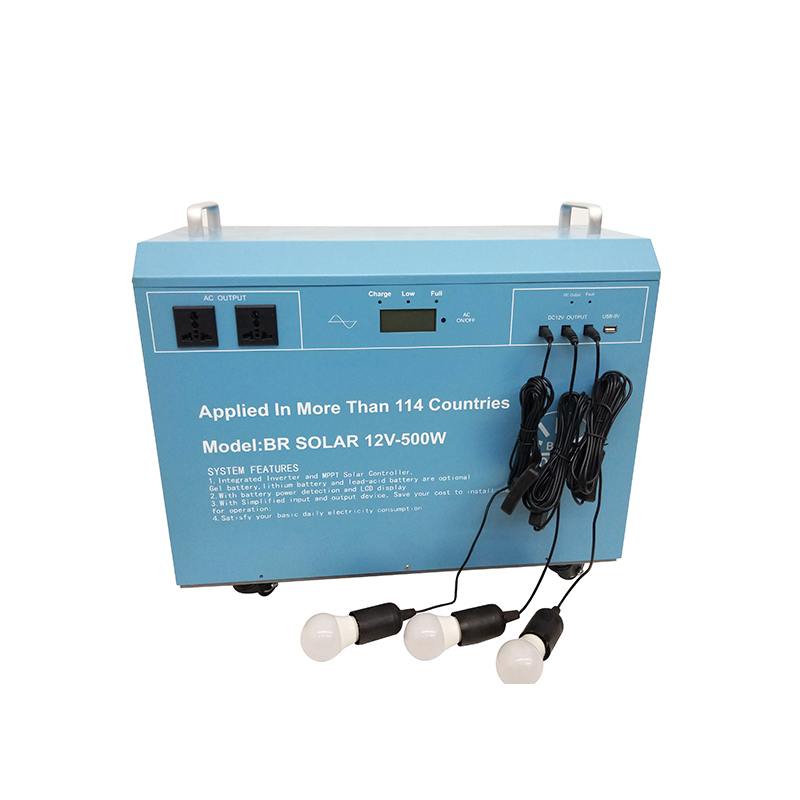
As the global focus on sustainable energy intensifies, solar power installations are becoming increasingly prevalent across urban and rural settings alike. The surge in solar adoption reflects a growing awareness of environmental concerns, rising electricity prices, and the urgent need to provide electricity to underserved regions. This article delves into the current landscape of solar installation costs and highlights the key players and technologies driving this renewable energy revolution.
### The Growing Importance of Solar Energy
Solar energy is now recognized as a cornerstone of the green energy transition, offering a clean, renewable, and increasingly affordable alternative to fossil fuels. Advances in solar panel technology, energy storage solutions, and power management systems have helped reduce costs and improve the efficiency and reliability of solar power systems.
Many countries, especially those in developing regions, face persistent challenges with electricity access. In some areas, roads and public spaces remain poorly lit at night due to inadequate power infrastructure. Solar street lighting and distributed solar energy solutions have emerged as effective ways to address these shortcomings while contributing to energy sustainability and public safety.
### Understanding Solar Installation Costs
The cost of installing a solar power system can vary widely based on several factors including location, system size, technology used, and installation complexity. Breaking down these costs helps consumers, businesses, and policymakers make informed decisions.
1. **Solar Panels**: The most significant component of the overall cost is the solar panels themselves. While prices have dropped dramatically over the past decade, the choice of panel type—monocrystalline, polycrystalline, or thin-film—affects both performance and price.
2. **Inverters and Energy Storage**: Inverters convert the DC power generated by solar panels into usable AC power. Energy storage systems, such as lithium-ion or gelled batteries, enable the storage of excess power for use during cloudy periods or nighttime. These components add to the upfront cost but greatly enhance system functionality and energy independence.
3. **Installation and Labor**: Installation requires specialized skills to ensure safety, efficiency, and regulatory compliance. Labor costs can vary depending on local conditions, experience of the installation team, and the complexity of mounting systems.
4. **Permits and Maintenance**: Additional costs can include permits, inspections, and ongoing maintenance, which are necessary to keep solar systems operating at peak performance.
### Innovations in Solar System Manufacturing and Export
One industry leader specializing in solar power systems, energy storage systems, solar panels, lithium batteries, gelled batteries, and inverters has been instrumental in advancing the market. Beginning with a focus on street lighting poles, the company expanded its expertise to excel in the solar street light market—a critical sector for many communities that lack reliable public lighting due to power shortages.
Their comprehensive product line addresses both the generation and storage of solar energy, offering tailored solutions to fit diverse needs. By focusing on quality manufacturing and exporting capabilities, this company helps make sustainable energy technologies more accessible to countries grappling with electricity deficits.
### Addressing Energy Needs in Underserved Regions
Electricity access remains a major challenge in many parts of the world, particularly in rural and remote areas. Dark roads at night not only pose safety risks but also hinder social and economic activities after sunset. Solar-powered street lighting represents a practical and cost-effective solution, providing illumination without the need for extensive grid infrastructure.
Moreover, the integration of energy storage systems ensures that lighting and other essential services remain operational even when sunlight is insufficient. This capability is vital for improving living conditions and promoting development in energy-poor regions.
### The Environmental and Economic Benefits
Investing in solar power installations yields significant environmental benefits by reducing greenhouse gas emissions and reliance on non-renewable resources. Additionally, solar energy can stabilize and lower electricity costs over time, offering consumers protection from volatile energy markets.
For governments and developers, solar projects also create jobs in manufacturing, installation, and maintenance sectors. The ripple effects can stimulate local economies and foster technical skills development.
### Looking Ahead: The Future of Solar Energy
With continuous innovation and supportive policies, solar installation costs are expected to decline further, making solar power an even more attractive choice worldwide. Improvements in battery technology, streamlined regulatory processes, and expanded financing options will likely accelerate adoption.
For companies operating in this space, ongoing investment in research and development remains crucial. Expanding product lines while ensuring affordability and reliability will help meet the increasing demand, especially from markets where electricity access is still a challenge.
### Conclusion
Solar energy represents a transformative solution to global energy challenges. Understanding installation costs and emerging industry trends enables stakeholders—from individual consumers to governments—to make strategic decisions that promote sustainability.
As infrastructure constraints persist in many regions, solar-powered street lighting and energy storage systems offer practical, scalable solutions that enhance safety and quality of life. Supported by manufacturers and exporters dedicated to innovation and quality, the solar industry is well-positioned to power a cleaner and brighter future for all.