
In recent years, the global push towards renewable energy has resulted in significant advancements in solar power technologies, making solar energy more accessible and affordable than ever before. One of the key metrics in evaluating the feasibility and attractiveness of solar energy projects is the solar cost per kilowatt (kW). As the price per kW continues to decrease, solar energy becomes a more viable option for a variety of applications, from residential rooftops to large-scale commercial installations and off-grid solutions.
This downward trend in solar cost per kW is driven by multiple factors including improved solar panel efficiencies, advancements in energy storage technologies, streamlined manufacturing processes, and increased competition in the global solar market. These developments have not only helped reduce the initial investment costs but also improved the operational life and reliability of solar systems, which in turn lowers the overall cost of energy production over time.
A prime example of this progress can be seen in the activities of leading manufacturers and exporters specializing in comprehensive solar power solutions. Starting with a focus on solar street lighting systems, these companies have successfully expanded their portfolios to include a broad array of products such as solar power systems, energy storage systems, lithium and gelled batteries, solar panels, and inverters.
Solar street lighting has emerged as a crucial application, especially in regions where access to reliable electricity remains a challenge. Many countries around the world face difficulties in lighting their roads and public spaces at night, primarily due to limited grid infrastructure or frequent power outages. Solar street lights offer an effective and sustainable alternative by using photovoltaics to harvest sunlight during the day and converting it into electrical energy stored in batteries for use after dark. These systems help improve public safety, extend business hours, and contribute to overall community development without imposing additional burdens on strained electrical grids.
One of the success stories in this space originated from a manufacturer and exporter who initially focused on street lighting poles powered by solar energy. Leveraging years of experience in this niche, the company has since enhanced its offerings to cover entire solar ecosystems, including high-quality solar panels, energy storage solutions like lithium and gelled batteries, and smart inverters designed to optimize power conversion and system reliability.
The company’s growth and diversification reflect the broader market trend where integrated solar solutions are increasingly favored over standalone components. This integration allows customers to benefit from optimized performance, easier installation, and centralized support services, all of which contribute to reducing the solar cost per kW.
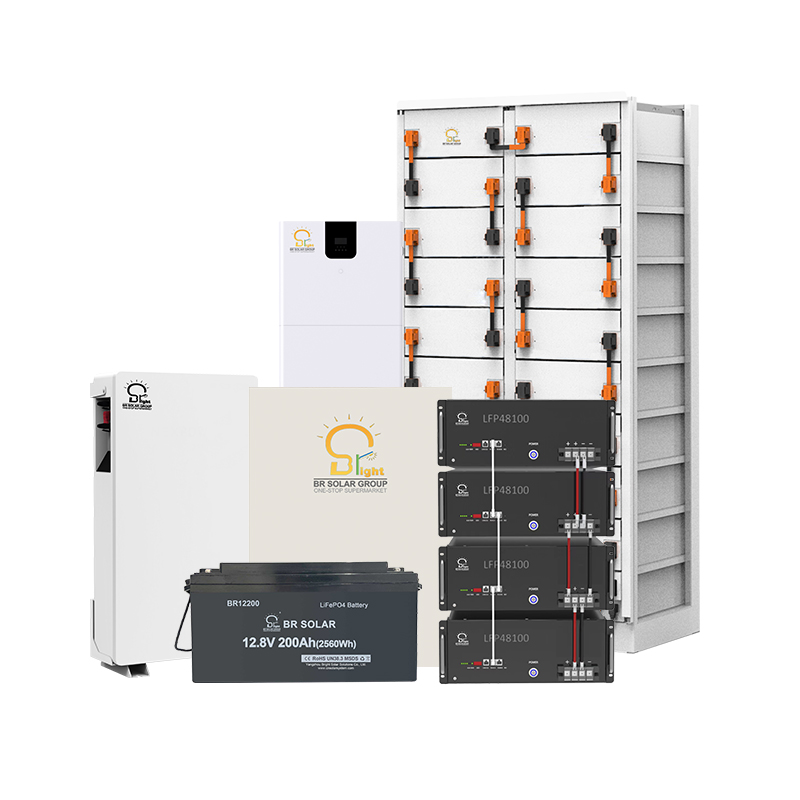
Moreover, innovations in energy storage have played a critical role in making solar energy a dependable power source. Lithium batteries, known for their high energy density, longer lifespan, and lower maintenance requirements, have become the storage technology of choice for many solar applications. Gelled batteries, offering enhanced safety and resilience in harsh environmental conditions, complement lithium batteries in systems where robustness is a priority. Together, these advanced battery technologies enable solar systems to supply consistent and reliable power, mitigating issues related to intermittency and enabling use in off-grid or grid-tied scenarios.
Inverters, another essential component within solar power systems, convert the direct current (DC) electricity generated by solar panels into alternating current (AC) suitable for household or industrial use. The evolution of inverter technology has focused on maximizing conversion efficiency, ensuring grid compatibility, enabling remote monitoring, and providing enhanced protective features. Such advancements help reduce energy losses and increase overall system output, contributing directly to lowering the solar cost per kW.
In summary, the continuous reduction in solar cost per kW is a testament to the remarkable progress achieved by forward-thinking manufacturers in the solar industry. Starting from niche applications like solar street lighting poles to delivering comprehensive solar power and energy storage solutions, these companies play an instrumental role in making solar power affordable and accessible worldwide.
For many regions suffering from inadequate electricity infrastructure and persistent power shortages, such developments offer a promising path toward energy independence and sustainable development. As solar technology becomes more economical and adaptable, it fuels the transition to greener energy sources that benefit both communities and the environment.
Looking ahead, ongoing research and development, combined with supportive policies and increasing consumer awareness, are expected to further drive down costs and enhance the adoption of solar energy globally. The future of solar power is bright, and its expanding horizons will undoubtedly continue to transform how we generate, store, and consume electricity, illuminating the way toward a sustainable energy future.