
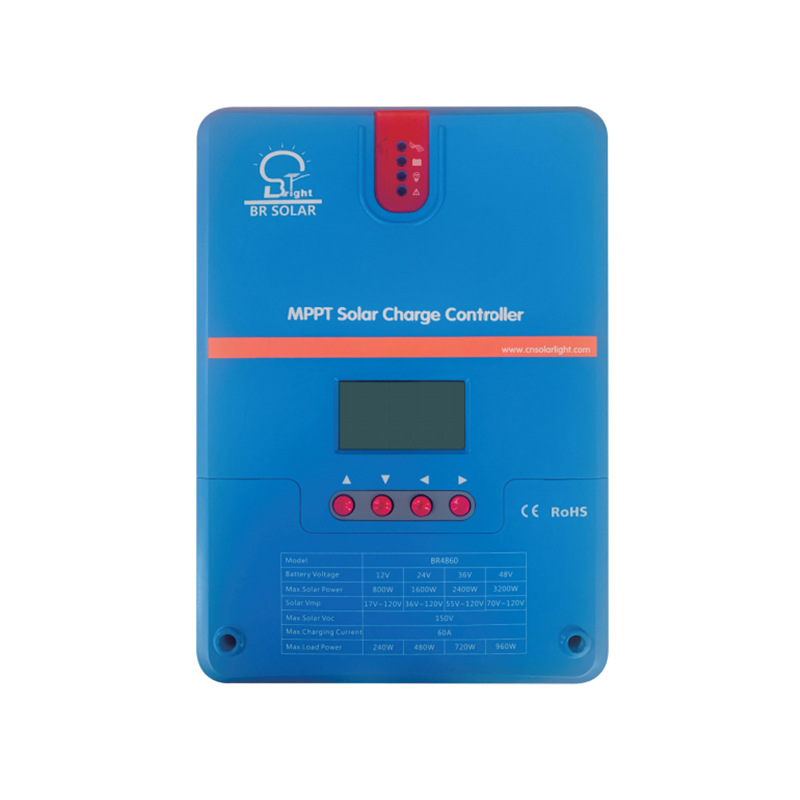
In the global push toward renewable energy, solar power continues to emerge as a leading solution to meet rising electricity demands while combating climate change. Recent improvements in solar cell efficiency mark a significant milestone in harnessing the sun’s energy more effectively, making solar power systems increasingly viable for both residential and commercial use. This progress holds particular promise for regions worldwide where electricity access remains limited, transforming dark roads and underserved communities into beacons of light and opportunity.
### Breakthroughs in Solar Cell Efficiency
Solar cell efficiency — the ability of a solar panel to convert sunlight into usable electricity — is a critical metric driving the adoption and impact of solar technologies. Over the past decade, innovations in materials science, cell design, and manufacturing processes have steadily improved the efficiency rates of photovoltaic (PV) cells.
Leading research teams and manufacturers have pushed efficiency levels beyond the traditional ranges, with some of the newest solar cells boasting conversion efficiencies exceeding 25%, and multi-junction cells reaching even higher. These advancements enable solar panels to generate more power from the same amount of sunlight, reducing the cost per watt and improving overall energy yield.
Moreover, developments in thin-film technologies and bifacial solar panels that can capture sunlight from both sides further enhance the potential energy output. Innovations such as passivated emitter rear cells (PERC), heterojunction cells (HJT), and tandem perovskite-silicon solar cells are among the promising technologies accelerating efficiency gains.
### The Role of Reliable Manufacturers and Exporters
As solar cell efficiency continues to improve, the demand for high-quality solar power systems and components grows accordingly. Professional manufacturers and exporters specialized in solar power systems play a vital role in scaling these innovations to meet global energy needs.
A notable example is a company with extensive expertise in solar power systems, energy storage solutions, solar panels, lithium batteries, gelled batteries, and inverters. The company’s journey began with a focus on street lighting poles — an area of critical need in many developing regions — and successfully expanded into the solar street light market. Their deep understanding of local infrastructure challenges, combined with cutting-edge technology, enables the delivery of comprehensive and reliable solar solutions.
### Addressing Energy Access in Developing Countries
A significant portion of the world still lacks reliable electricity access. For many communities, especially in rural areas, the absence of a stable electrical grid results in dark roads at night, compromising safety and economic development. Improving solar cell efficiency can directly impact these communities by lowering the costs and increasing the availability of solar-powered lighting and energy systems.
Solar street lights powered by efficient photovoltaic panels and supported by reliable energy storage systems offer a sustainable alternative to traditional grid expansion, which can be costly and time-consuming. By illuminating streets, these technologies not only improve public safety but also encourage social and commercial activities after dark, contributing to community well-being and economic growth.
### Energy Storage: The Backbone of Solar Power Systems
Alongside advancements in solar cell efficiency, energy storage plays a pivotal role in realizing the full potential of solar power. Solar energy production is inherently intermittent — sunshine hours vary daily and seasonally. Therefore, robust battery systems are essential to store energy for use during nighttime or cloudy days.
Modern energy storage solutions, including lithium-ion batteries and gelled lead-acid batteries, provide the necessary reliability and longevity to complement solar installations. Efficient inverters convert the stored energy from direct current (DC) to alternating current (AC), making it usable for homes, businesses, and street lighting.
Companies with a comprehensive portfolio that includes solar panels, various types of batteries, and inverters are well-positioned to offer integrated solar power systems tailored to different needs and environments. This holistic approach ensures optimized performance and enhances customer satisfaction.
### Driving Sustainable Development and Environmental Benefits
Increasing solar cell efficiency and deploying integrated solar power systems contribute significantly to environmental sustainability. Solar energy generates no greenhouse gas emissions during operation, making it a clean alternative to fossil fuels. The reduction in carbon footprint helps mitigate climate change impacts and supports global environmental goals.
Furthermore, solar-powered street lighting reduces reliance on kerosene lamps or diesel generators, which are common in electrification-deficient areas and pose health, safety, and pollution risks. Transitioning to solar not only safeguards the environment but also improves public health outcomes.
### Looking Forward: Future Prospects in Solar Technology
The momentum behind solar cell efficiency improvements and system integration shows no signs of slowing. Researchers continue to explore novel materials like perovskites, organic photovoltaic cells, and quantum dots, which may revolutionize solar technology with even higher efficiencies and lower production costs.
Meanwhile, expanding manufacturing capabilities and global cooperation among solar technology providers will enhance accessibility and affordability. Such progress will accelerate the adoption of solar power solutions across diverse regions, enabling more communities to benefit from reliable, clean energy.
---
In conclusion, the evolution of solar cell efficiency combined with the expertise of professional solar power system manufacturers and exporters is transforming the renewable energy landscape. By addressing energy shortages and illuminating dark roads in underserved regions, these advancements foster safer, more sustainable, and prosperous communities worldwide. As solar technology continues to advance, it brings humanity closer to a future where clean, affordable energy is a reality for all.