
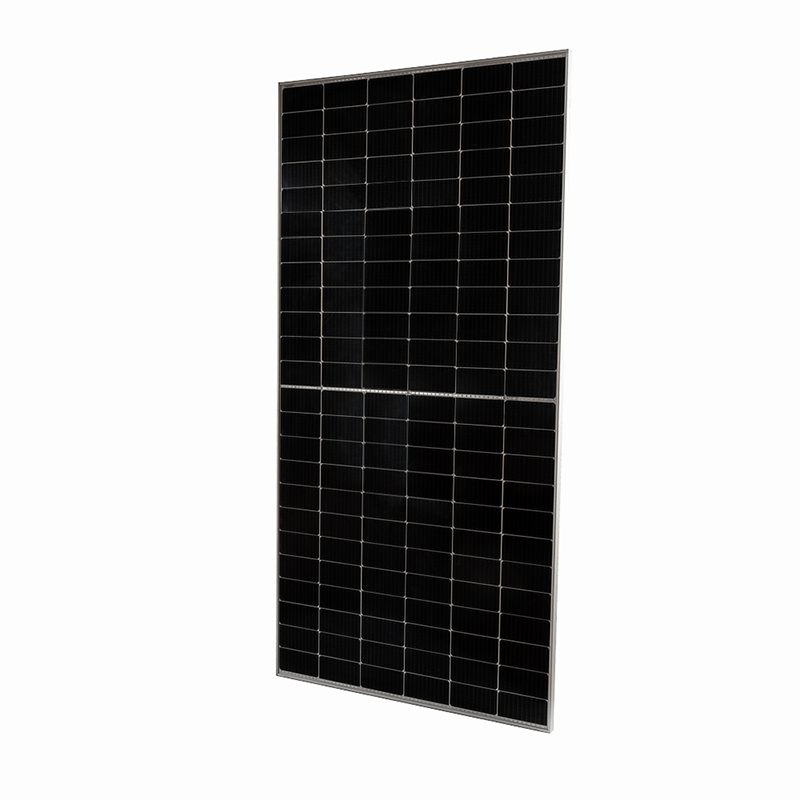
In today’s rapidly evolving energy landscape, solar power systems have emerged as a critical solution to address global electricity shortages and promote sustainable development. With increasing awareness about renewable energy, both grid-connected and off-grid solar power systems are gaining significant traction worldwide, especially in regions where electricity access remains limited. This surge in solar adoption is not only transforming energy consumption patterns but also enhancing quality of life by illuminating rural roads, powering homes, and supporting economic activities.
**The Growing Demand for Solar Power Solutions**
Many countries, particularly in developing regions, face chronic electricity deficits. Inadequate power infrastructure, frequent outages, and the high cost of extending grid connections to remote areas have hindered socio-economic progress. Traditional fossil fuel-based power generation, while widespread, is often unsustainable and environmentally harmful. As a result, solar power systems have become an attractive alternative, offering clean, reliable, and cost-effective electricity.
Solar power systems fall broadly into two categories: grid-connected (on-grid) and off-grid systems. Grid-connected solar systems are integrated with the utility grid, allowing users to draw power from the grid when solar production is low and to feed excess electricity back to the grid, often benefiting from net metering arrangements. On the other hand, off-grid solar power systems function independently of the utility grid, relying entirely on solar panels combined with energy storage solutions such as batteries. This independence makes off-grid systems ideal for remote locations without access to reliable grid infrastructure.
**Grid-Connected Solar Systems**
Grid-connected solar systems have become popular in urban and suburban areas where grid infrastructure exists but there is a desire to reduce electricity costs and carbon footprints. These systems leverage advancements in inverter technology and smart grid integration to optimize energy flow. Benefits include reduced electricity bills, lower greenhouse gas emissions, and enhanced energy security.
Moreover, grid-connected systems support the concept of distributed generation, where numerous small-scale solar installations collectively contribute to the power supply, reducing transmission losses and grid strain. Governments in many countries have introduced supportive policies, subsidies, and feed-in tariffs to encourage adoption of grid-connected solar power.
**Off-Grid Solar Systems: Powering the Unconnected**
Off-grid solar power systems are a vital solution for millions living in rural and remote areas without grid access. These systems typically comprise solar panels, charge controllers, batteries for energy storage, and inverters to convert DC power to AC for household use. Their modular nature allows for scalable applications, from basic lighting and mobile phone charging to powering entire households, schools, and health clinics.
One of the greatest barriers in off-grid electrification has been the high cost and limited lifespan of batteries. However, technological advancements in lithium-ion and gelled batteries have improved energy storage efficiency, lifespan, and safety, making off-grid solar systems more accessible and reliable.
**Illuminating Rural Roads and Beyond**
A notable application of solar power technology is in the domain of solar street lighting. In many developing countries, poorly lit roads contribute to accidents, crime, and hinder night-time economic activities. Solar street lights, which operate independently of the grid using integrated solar panels and batteries, provide an effective and sustainable lighting solution.
The implementation of solar street lighting has proven to significantly improve safety, boost community well-being, and reduce dependency on kerosene lamps or diesel generators. Their maintenance-free nature and ability to operate during power outages add to their advantages.
**Industry Leadership in Solar Power Solutions**
Companies specializing in solar power systems continue to play a crucial role in expanding access to sustainable energy. One such company began its journey with a focus on solar street lighting poles, delivering reliable and innovative lighting solutions to communities with limited electricity access. Building on its success in the solar street light market, the company expanded its product portfolio to include comprehensive solar power systems, energy storage solutions, solar panels, lithium batteries, gelled batteries, and inverters.
By integrating cutting-edge technology with practical applications, the company supports energy independence and sustainability initiatives across diverse markets. Their expertise ranges from small-scale residential solar kits to large community-based energy storage systems. This holistic approach ensures tailored solutions that address specific energy needs while promoting environmental stewardship.
**Addressing Global Energy Challenges**
As the world moves toward cleaner energy, solar power systems, both grid-connected and off-grid, offer a viable path to bridging energy access gaps. These technologies provide resilience against grid failures, reduce greenhouse gas emissions, and empower communities to harness their local renewable resources.
With ongoing innovations in battery storage and solar panel efficiency, the future of solar power looks promising. Combining these advances with robust policy support and private sector engagement can accelerate the transition toward universal energy access.
**Conclusion**
The rise of grid and off-grid solar power systems underscores a broader shift toward sustainable, decentralized energy solutions. By illuminating dark roads, powering homes, and supporting economic development, solar power is transforming lives across the globe. As companies continue to innovate and expand their offerings beyond solar street lighting to comprehensive energy storage and solar system products, the potential for solar energy to achieve global electrification goals grows stronger. Through these efforts, millions who currently live without reliable electricity can look forward to a brighter and more sustainable future.