
In recent years, solar power has emerged as one of the most promising and sustainable sources of energy worldwide. Both grid-connected and off-grid solar power systems are playing pivotal roles in transforming energy access, especially in regions where electricity infrastructure is sparse or unreliable. This shift towards solar energy not only addresses the growing global demand for clean power but also contributes significantly to environmental conservation and socio-economic development.
### The Growing Importance of Solar Power
Solar energy harnesses the sun’s abundant and renewable power to generate electricity. Its capacity to provide electricity without emitting harmful pollutants makes it a cornerstone in the global transition to greener energy solutions. As the cost of solar panels, batteries, and associated technologies continues to fall, solar power has become increasingly accessible to a broad spectrum of users, from individual households to large commercial installations.
Two primary types of solar power systems are commonly used worldwide: grid-tied (grid-connected) and off-grid systems. Grid-tied solar power systems are connected directly to the local electricity grid, allowing users to feed excess electricity back into the grid or draw power when their system isn’t producing enough. Conversely, off-grid systems operate entirely independently, making them ideal for remote or rural areas lacking reliable grid infrastructure.
### Grid and Off-Grid Solar Power: Meeting Diverse Needs
Grid-connected solar systems are ideal for urban and suburban areas with established electricity infrastructure. These systems maximize the use of existing grid assets while enabling households and businesses to generate their own renewable electricity, often reducing utility bills. By feeding surplus power back into the grid through net metering arrangements, solar electricity producers can achieve a balanced energy transaction that benefits both themselves and the utility company.
On the other hand, off-grid solar power systems are transformative in regions where grid electricity is either unavailable or intermittent. Many rural communities worldwide suffer from inadequate electricity access, leading to social and economic constraints. Off-grid solar solutions can provide a reliable source of electricity to power lighting, communication devices, refrigeration, and other essential services, markedly improving the quality of life in these areas.
### Addressing Global Electricity Challenges
A significant portion of the world’s population still lacks reliable access to electricity—a gap that solar power can effectively bridge. In many developing countries, roads and public spaces remain dark at night due to insufficient electricity infrastructure, resulting in safety concerns and hampering economic activities. Solar-powered street lighting is a proven and cost-effective solution to these challenges, offering communities safer environments while reducing dependence on conventional grid power.
Solar street lighting systems typically combine solar panels, batteries, and LED lamps to provide illumination throughout the night. These systems are easy to install, require minimal maintenance, and operate independently of the grid, making them especially suitable for remote locations. Beyond lighting, solar-powered solutions can support water pumping, telecommunications, and education by powering schools and community centers, demonstrating the versatility of solar energy in fostering development.
### Advancements in Solar Energy Storage Systems
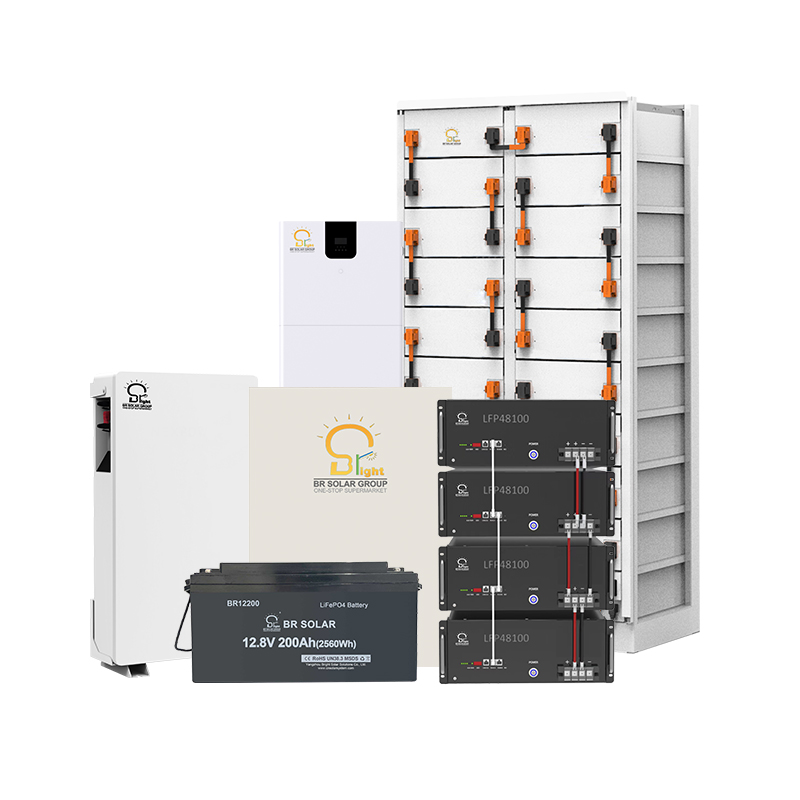
An essential feature of both grid-tied and off-grid solar systems is energy storage—the ability to retain excess power generated during the day for use during non-sunny hours. Energy storage is commonly achieved through batteries, including advanced lithium-ion batteries and gelled lead-acid batteries. Innovations in battery technology have led to improvements in lifespan, energy density, and safety, making solar energy storage more reliable and cost-effective.
Energy storage systems enhance the stability and usability of solar power, reduce reliance on fossil-fuel backup generators, and contribute to energy independence. For off-grid users, battery storage is critical to maintaining a consistent power supply. For grid-connected users, batteries can offer backup power during outages and allow for increased self-consumption of solar energy.
### The Role of Industry Leaders in Solar Solutions
Companies specializing in solar power systems have played a key role in driving the adoption and advancement of solar technologies worldwide. Initially focusing on solar street lighting projects, some solar manufacturers have expanded their product range to include comprehensive solar power solutions such as photovoltaic panels, energy storage systems, advanced batteries, and inverters that convert DC power to AC for household use. These manufacturers have helped open up electrification possibilities in regions lacking traditional energy infrastructure.
The expertise developed through extensive experience in solar street lighting applications has proven invaluable. By understanding the particular challenges faced by off-grid customers and the varying requirements of different geographical areas, these manufacturers have optimized solar power systems that are robust, efficient, and scalable. Their global export activities have contributed significantly to increasing access to affordable and clean energy in under-electrified regions.
### Looking Ahead: Solar Power’s Growing Impact
The expansion of both grid-tied and off-grid solar power solutions is integral to meeting the world’s sustainable energy targets and achieving universal electricity access. As governments, international organizations, and private sector players collaborate to tackle energy poverty, solar power remains a cornerstone technology.
Investment in solar infrastructure not only reduces greenhouse gas emissions but also stimulates local economies by creating jobs and enabling entrepreneurial activities. Furthermore, the deployment of solar-powered street lighting enhances community safety and public infrastructure without putting additional strain on limited grid resources.
For millions of people living in energy-deficient areas, solar power is more than just an energy source—it is a catalyst for transformation. Empowered by advances in solar technology and supported by dedicated manufacturers of solar power systems, the path towards a brighter, sustainable, and more equitable energy future continues to gain momentum.
---
In summary, the combined advances in grid and off-grid solar solutions, supported by innovations in energy storage and efficient power management, are helping to overcome electricity challenges globally. By improving access to clean energy and lighting, especially in underserved regions, the solar power industry is illuminating lives and driving sustainable development around the world.